Sustainable Fashion: Armenian Craftsmanship in Modern Design
Armenian craftsmanship is transforming fashion by blending heritage techniques with eco-conscious streetwear. Here's what you need to know:
- Key Brands: Platon FF, Armine Ohanyan, and AYANI combine traditional methods with modern styles.
- Sustainability Practices: Upcycling, hand embroidery, natural dyeing, and loom weaving reduce waste and energy use.
- Global Impact: Armenian designers like Armine Ohanyan are gaining international attention for merging tradition with advanced tools like 3D printing.
- Local Materials: Brands prioritize using locally sourced fabrics like silk and cotton to lower carbon emissions.
This movement preserves Armenian traditions while addressing environmental concerns, making it a standout in global fashion.
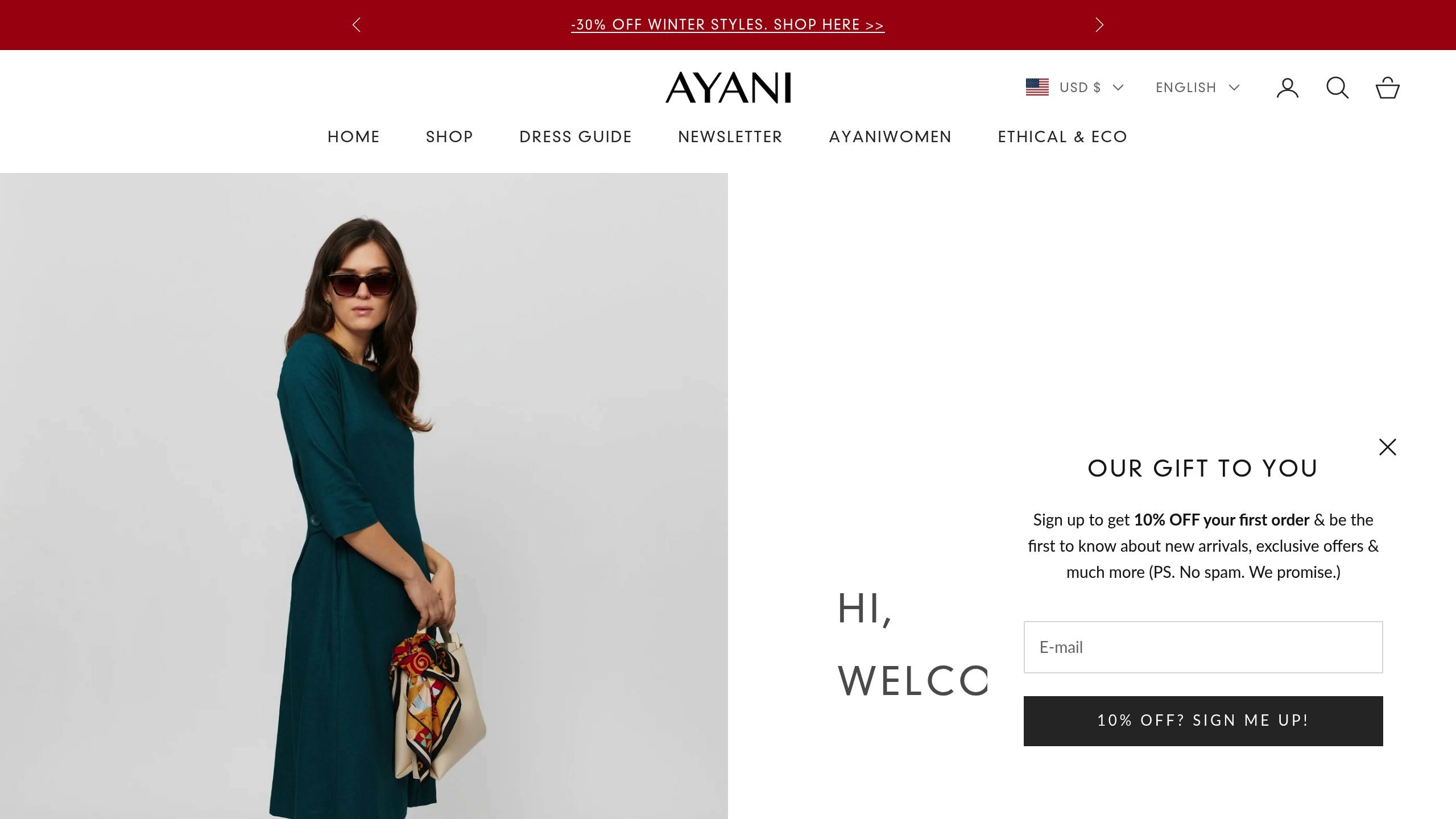
AYANI, Slow Fashion Made In Armenia
Armenian Craft Methods in Modern Fashion
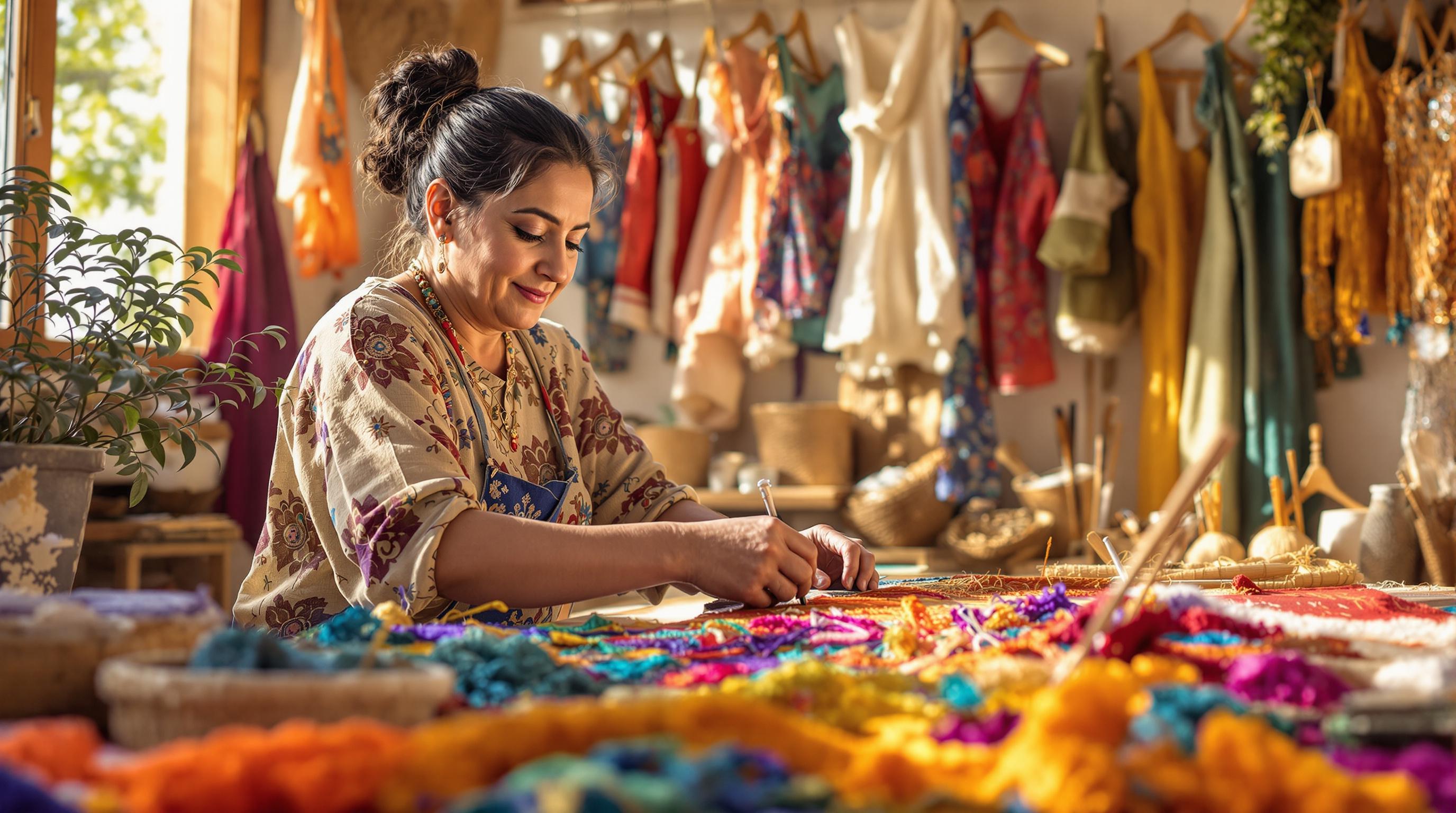
Modern designers are breathing new life into traditional Armenian crafts, merging heritage with eco-conscious luxury streetwear. The result? Fashion that preserves cultural identity while minimizing its environmental footprint.
Core Craft Methods and Materials
LOOM Weaving, established by Inga Manukyan in 2014, reimagines ancient weaving techniques for contemporary knitwear. By relying on hand-production methods, this approach significantly reduces energy consumption. Each piece is made using locally sourced materials like silk, cotton, and velvet, and features natural dyes and hand embroidery for distinct artisanal touches. This practice not only promotes sustainable production but also supports local communities.
In addition to these time-honored methods, Armenian designers are finding creative ways to reuse materials, further reducing waste and promoting sustainability.
Material Reuse in Design
Armenian fashion emphasizes upcycling to minimize fabric waste. Brands like Vintabilia, launched in 2020, and AYANI, founded by Ani Bagdasaryan, transform pre-existing garments into stylish, ethical pieces. These designs seamlessly combine traditional craftsmanship with modern eco-consciousness.
| Traditional Technique | Modern Application | Eco-Friendly Benefit |
|---|---|---|
| Loom Weaving | Modern knitwear | Lower energy use |
| Hand Embroidery | Artisan-crafted pieces | Smaller environmental impact |
| Natural Dyeing | Sustainable color options | Limited chemical use |
| Material Upcycling | Revamped vintage garments | Less fabric waste |
The Fashion and Design Chamber of Armenia plays a key role in advancing these practices. By working with organizations like GIZ, they help local brands gain international attention while staying true to eco-friendly production principles.
sbb-itb-8dd15d9
Leading Armenian Streetwear Makers
Armenia's streetwear scene is making waves by blending traditional craftsmanship with modern, eco-conscious designs. These makers are transforming heritage techniques into high-quality, stylish clothing that stands out.
Unusual

Sisters Anahit and Lili Mkrtchyan founded Unusual to redefine luxury streetwear with sustainability at its core. Their standout pieces, like the crop puffer jacket and modular wrap skirt, focus on practical yet stylish design. Every item is handcrafted, prioritizing quality over mass production.
Unusual’s sustainability efforts are evident in their thoughtful production model:
| Feature | Environmental Benefit | Approach |
|---|---|---|
| Limited Collections | Cuts down on waste | Traditional methods |
| Modular Designs | Extends garment usability | Locally sourced |
| Durable Materials | Ensures longer wear | Traditional methods |
| Versatile Styling | Encourages multiple uses | Locally sourced |
Their methods are paving the way for a new generation of Armenian streetwear brands.
Rising Armenian Labels
Emerging brands are taking Armenia’s sustainable fashion legacy into fresh territory. Platon FF, for example, offers limited-edition collections that mix premium materials with contemporary design.
Z.G.EST brings a unique twist by incorporating Armenian manuscript motifs into urban streetwear. By focusing on small production runs, they maintain exclusivity while reducing waste.
RUZANĒ is quickly gaining attention for its casual wear that combines Armenian craftsmanship with modern bohemian vibes. Their recent showcase at Kiev Fashion Week highlighted this blend beautifully.
These labels share a commitment to quality, local production, and staying rooted in Armenian traditions, all while pushing the boundaries of streetwear design.
Impact on Global Fashion
Armenian fashion blends tradition with environmentally conscious practices, offering a fresh perspective on global streetwear.
Eco-Friendly Production Techniques
Armenian designers combine time-honored methods with cutting-edge technology to create garments that are kind to the planet. For example, Armine Ohanyan, an internationally recognized designer, integrates traditional craftsmanship with advanced tools like laser cutting and 3D printing. Her work shows that it's possible to merge heritage with modernity while staying eco-conscious.
| Production Method | Environmental Benefit | How It's Done |
|---|---|---|
| Material Reuse | Reduces textile waste | Repurposes high-end materials |
| Limited Runs | Prevents overproduction | Produces small batches with care |
| Handcrafting | Saves energy | Prioritizes manual over machine work |
| Local Sourcing | Lowers carbon emissions | Uses Armenian materials and labor |
Erika Chilingaryan of Platon FF emphasizes the value of traditional craftsmanship, creating durable pieces that respect cultural roots while promoting sustainable practices. These approaches are helping Armenian fashion gain traction in global markets.
Armenian Design on the International Stage
With a strong foundation in eco-conscious production, Armenian streetwear is now catching the eye of global consumers. Designers like Armine Ohanyan and brands such as Kivera Naynomis and Shadoyan Fashion incorporate elements of the traditional taraz into their collections, appealing to those who value both authenticity and sustainability.
The success of Armenian designers at events like White Milano highlights how environmentally friendly methods can elevate high-end fashion rather than limit it. Ancient techniques naturally align with modern concerns about the environment, creating a win-win for the industry and the planet.
Z.G.EST's incorporation of Armenian manuscript motifs into contemporary streetwear is another example of how cultural heritage can enrich modern design. This approach resonates with international buyers looking for fashion that is both distinctive and environmentally responsible.
Conclusion
Armenian craftsmanship bridges the gap between heritage and modern fashion, using time-honored techniques to address today’s environmental concerns. By merging traditional skills with contemporary design, it delivers luxury pieces that prioritize ecological responsibility.
The growing global recognition of Armenian fashion highlights how luxury and sustainability can work hand in hand. This approach has carved out a niche where traditional artistry enriches, rather than limits, modern design.
Armenian influences in streetwear further illustrate how cultural heritage can adapt to current trends without compromising on eco-friendly practices. This fusion has created a style that appeals to environmentally aware consumers around the world.
Armenia’s dedication to sustainable production and cultural preservation serves as a model for luxury fashion globally. It shows how tradition and innovation can coexist, offering the industry a way to balance environmental care with high-quality design.