Streetwear vs High Fashion: Bridging the Style Gap
Streetwear and high fashion are no longer opposites - they’re merging into luxury streetwear. This style combines streetwear’s comfort and bold designs with high fashion’s premium materials and craftsmanship. Armenian designers are leading this trend by blending traditional techniques with modern fashion.
Key Points:
- Streetwear: Urban, relaxed, mid-range prices.
- High Fashion: Exclusive, detailed, premium prices.
- Luxury Streetwear: A mix of both styles, targeting professionals with upper-mid to premium pricing.
- Armenian Influence: Brands like LOOM Weaving and Unusual are incorporating Armenian artistry into this fusion, with a focus on handmade designs and sustainability.
Quick Comparison:
| Style Element | Streetwear | High Fashion | Luxury Streetwear |
|---|---|---|---|
| Key Attributes | Comfort, bold, urban | Exclusive, detailed | Balanced mix |
| Price Point | Mid-range | Premium | Upper Mid to Premium |
| Design Approach | Urban-inspired | Couture-driven | Fusion of both |
| Target Market | Youth culture | Luxury buyers | Style-focused professionals |
The fusion of these styles is reshaping fashion, with Armenian craftsmanship adding depth and sustainability leading the way forward.
How Streetwear and High Fashion Changed
History of Both Styles
Streetwear and high fashion have followed very different paths, but over time, they've come together in unexpected ways. Streetwear began in the late 20th century, rooted in urban youth culture. It focused on comfort, bold designs, and limited-edition drops, with skateboarding and hip-hop playing key roles in its rise to mainstream attention.
High fashion, on the other hand, has always been about luxury and exclusivity. Brands like Chanel, Louis Vuitton, and Gucci built their reputations on precise craftsmanship, premium materials, and seasonal collections that define elegance and sophistication.
| Era | Streetwear Highlights | High Fashion Milestones |
|---|---|---|
| 1990s | Skatewear and urban culture emerge | Luxury brands expand into ready-to-wear |
| 2000s | Limited drops and collaborations | Digital presence grows, luxury becomes more accessible |
| 2010s | Streetwear goes mainstream | High fashion embraces casual elements |
| 2020s | Focus on sustainability and tech | Direct-to-consumer models gain traction |
As these styles evolved, they began to overlap, leading to creative collaborations that have redefined what fashion can be.
Major Brand Partnerships
One of the most talked-about moments in this crossover came in 2017 with the Louis Vuitton x Supreme collaboration. This partnership combined streetwear's edge with high fashion's prestige, setting the tone for future collaborations.
Other standout partnerships include:
- Dior x Jordan, blending French luxury with sportswear.
- Gucci x Balenciaga, which merged two iconic high-fashion houses.
- Armenian brands like RUZANĒ, known for weaving traditional craftsmanship into modern streetwear designs.
These collaborations have not only pushed creative boundaries but also reshaped the way consumers view both streetwear and luxury.
How Streetwear Changed Luxury
Streetwear has had a profound impact on luxury fashion, influencing how high-end brands design, market, and connect with their audiences. Many luxury collections now feature relaxed, comfort-driven pieces, making them more approachable without compromising on quality.
An example of this shift is Pregomesh, an Armenian brand founded in 2012. By blending traditional motifs with modern aesthetics, Pregomesh shows how heritage can enhance contemporary style.
The fusion of streetwear and high fashion has created a new landscape for the industry. Experts agree that collaborations and the blending of styles have made fashion more inclusive and socially aware, while also challenging old ideas about luxury. This merging of worlds continues to reshape the industry in exciting ways.
Mixing Streetwear and High Fashion
Handmade Design Elements
Armenian fashion brands are reshaping the connection between streetwear and high fashion with handmade techniques that stand out. LOOM Weaving, for instance, takes traditional carpet-weaving methods and applies them to modern knitwear, creating pieces that balance casual and luxury styles. This approach highlights how craftsmanship can bring a fresh twist to contemporary streetwear.
Another example is Unusual, founded by Anahit and Lili Mkrtchyan. Their Blaze Crop Puffer Jacket merges traditional quilting with modern shapes, while the Modular Maxi Wrap Skirt shows how handmade details can add a polished touch to everyday streetwear. These thoughtful designs make a strong case for blending functionality with style.
Style and Function
Combining streetwear and high fashion means finding the right mix of relaxed comfort and upscale elements. Here are a few examples of how this pairing works:
| Casual Element | Luxury Element | Style Impact |
|---|---|---|
| Quilted Puffer Vest | Designer Dress | Urban sophistication |
| Streetwear Sneakers | Tailored Coat | Modern elegance |
| Tactical Pants | Luxury Accessories | Elevated utility |
Unusual’s Arctic Edge Set illustrates this balance perfectly. It blends practical streetwear features with refined craftsmanship, offering a design that’s both functional and polished - ideal for bridging the gap between casual and high-end fashion.
Eco-Friendly Fashion
Sustainability is playing a bigger role in merging streetwear with high fashion. Armenian brand Vintabilia leads this effort by transforming second-hand garments into stylish, modern pieces, showing that eco-conscious fashion can also feel premium.
Armenian designers are embracing sustainable practices such as:
- Using locally sourced materials to cut down on carbon emissions
- Applying zero-waste cutting methods to maximize material use
- Producing limited-edition collections to encourage mindful shopping
- Creating modular designs that allow for longer-lasting wear
Brands like Unusual are proving that sustainable, handcrafted luxury streetwear can combine style with a focus on environmental impact. Their success highlights a growing demand for fashion that’s both thoughtful and stylish.
sbb-itb-8dd15d9
Related video from YouTube
Armenian Streetwear Brands
Armenian brands are making waves in the world of luxury streetwear, blending style with functionality in fresh and exciting ways.
Unusual Brand Profile
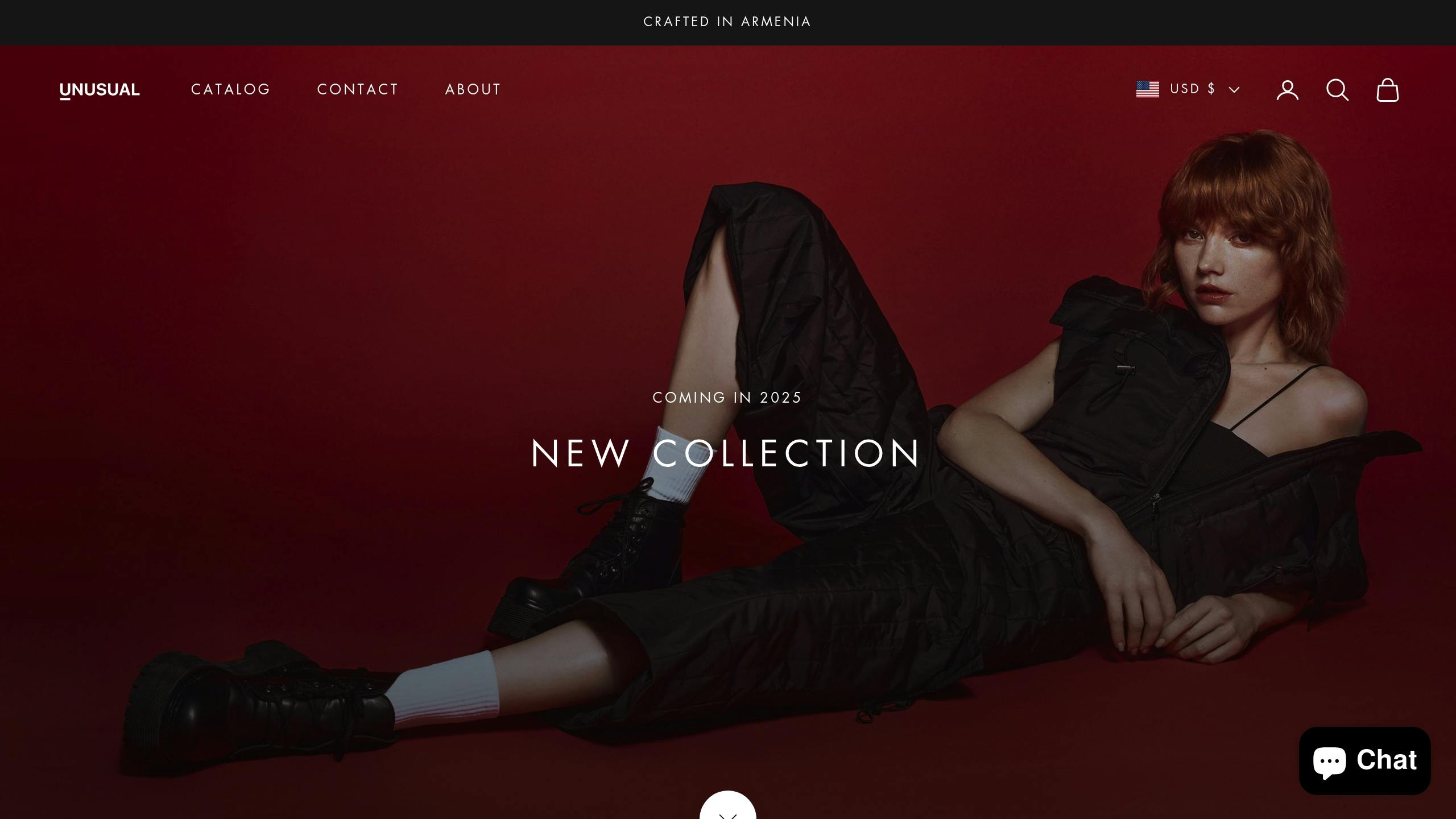
Unusual, one of the pioneers of Armenian streetwear, has become known for its eye-catching designs that combine everyday wearability with Armenian craftsmanship. Some standout pieces include the Blaze Crop Puffer Jacket ($123) and Modular Maxi Wrap Skirt ($151), which add a polished edge to streetwear essentials.
Here are some key pieces from their collection:
| Product | Price | Design Features | Style Appeal |
|---|---|---|---|
| Arctic Edge Set | $123 | Coordinated design, high-quality fabrics | Sleek urban vibe |
| Cloud Knot Shoulder Bag | $78 | Traditional knotting techniques | Functional yet stylish |
| Tactical Puffer Vest | $98 | Utility-inspired accents, refined finish | Elevated streetwear aesthetic |
Unusual isn’t the only Armenian brand turning heads in this space.
Armenian Fashion Leaders
Other brands are also shaping the Armenian streetwear scene. RUZANĒ stands out by blending Armenian craftsmanship with modern streetwear. Their designs balance sophistication and street style, using high-quality materials and detailed handcrafting to create pieces that resonate with both luxury and urban aesthetics.
LOOM Weaving takes traditional Armenian weaving techniques and reimagines them in contemporary knitwear, showcasing how heritage can inspire innovative fashion.
Meanwhile, Kivera Naynomis and Shadoyan Fashion bring their own unique twists. Kivera Naynomis incorporates Armenian motifs into modern silhouettes, creating a distinctive fusion of tradition and trend. Shadoyan Fashion focuses on premium materials and inventive construction, offering pieces that feel both luxurious and forward-thinking.
Together, these brands highlight Armenia's growing influence in global fashion, proving that luxury streetwear can thrive far beyond the usual fashion capitals.
What's Next for Fashion
Main Points
Streetwear and high fashion continue to evolve, with the global streetwear market now worth $1.4 trillion. This growth is fueled by Gen Z's focus on eco-friendly practices and genuine designs. These trends highlight the distinct role Armenian design plays in luxury streetwear while also introducing new production hurdles.
Armenian craftsmanship is at the forefront of this evolution. Brands like RUZANĒ and LOOM Weaving are merging time-honored techniques with contemporary styles, creating a unique blend of tradition and modernity.
The ban on Turkish raw materials has pushed Armenian designers to rethink their methods. Many now prioritize locally sourced materials and innovative production approaches, setting new benchmarks for eco-conscious fashion.
Future Trends
Luxury streetwear is heading toward more eco-friendly and inclusive practices. Here are some trends shaping the future:
| Trend | Impact | Examples |
|---|---|---|
| Digital Integration | Greater online engagement | Expanded use of social media platforms |
| Sustainable Materials | Lower environmental footprint | Vintabilia's upcycled collections |
| Cultural Fusion | Fresh design perspectives | Unusual's Armenian-inspired pieces |
Events like Urvakan and Synthposium are offering fresh opportunities for emerging Armenian designers. These festivals are helping to redefine luxury streetwear by promoting bold, creative approaches to design.
The future of fashion lies in combining streetwear's accessibility with the craftsmanship of high fashion. Brands that can balance these elements while staying true to their roots and prioritizing sustainability will shape the industry's next chapter.